

What does the energy transition look like in practice?
Which professions contribute to it?
And how can climate protection and nature conservation be combined?
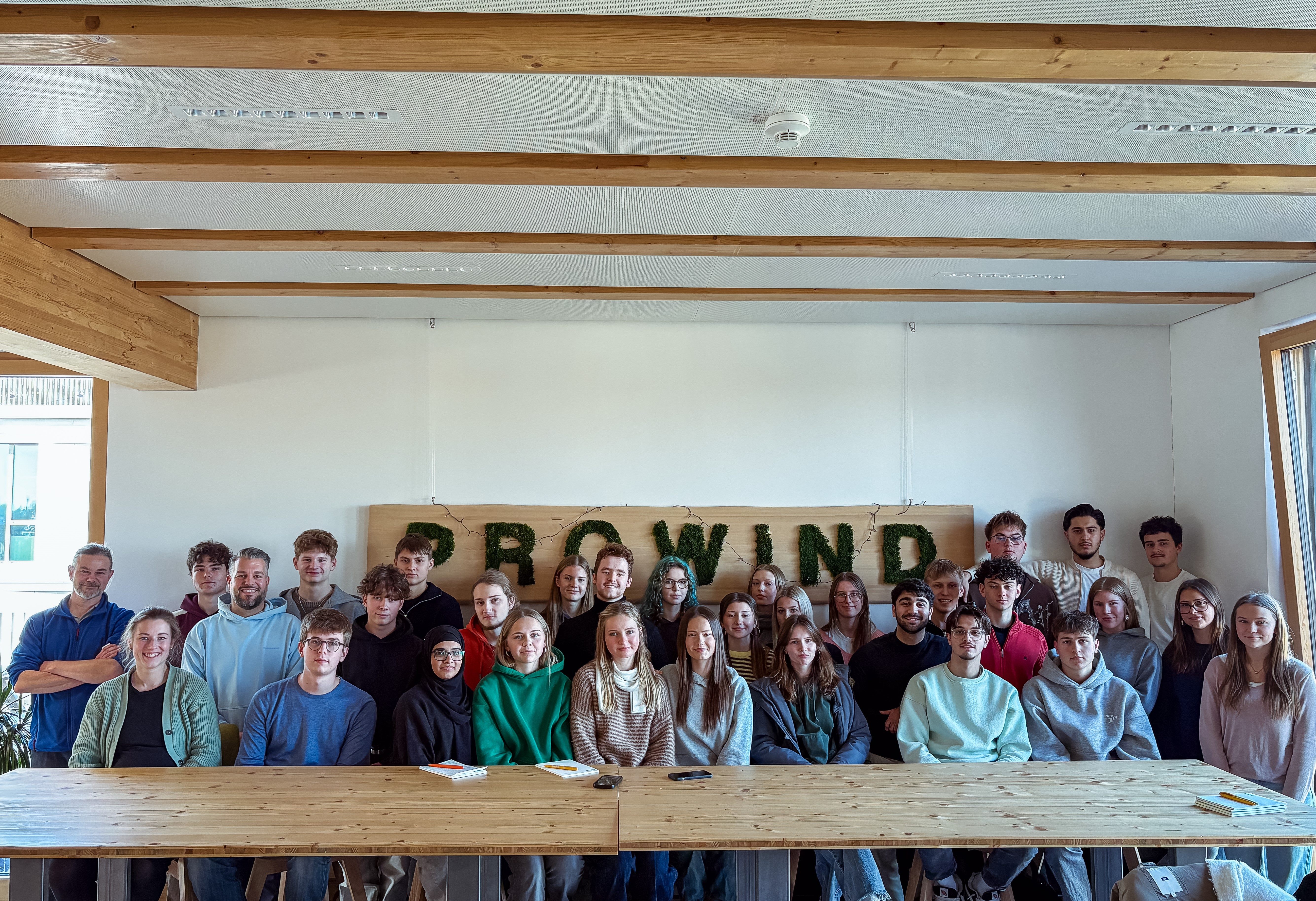
On Tuesday, 20 January 2026, students from the two advanced geography courses of the IGS Osnabrück sixth-form profiles SprachRaum and Wissen.schaf(f)t.Nachhaltigkeit found answers to these questions during their visit to our Klimaquartier in the Osnabrück Science Park.
The field trip gave the young people the opportunity to experience first-hand the knowledge about renewable energy, energy supply and sustainable development they had acquired in class. For us at Prowind, this kind of exchange is particularly valuable, because the energy transition thrives on transparency, dialogue and a shared understanding of sustainable solutions.
The visit began with a tour of our sustainable and energy-efficient office building. In our communal space, the “bird's nest”, the courses then gained practical insight into our work as a project developer for wind energy, solar energy and energy storage. The main question was how an idea becomes a concrete energy project and how many different disciplines work together to implement the energy transition responsibly and sustainably.
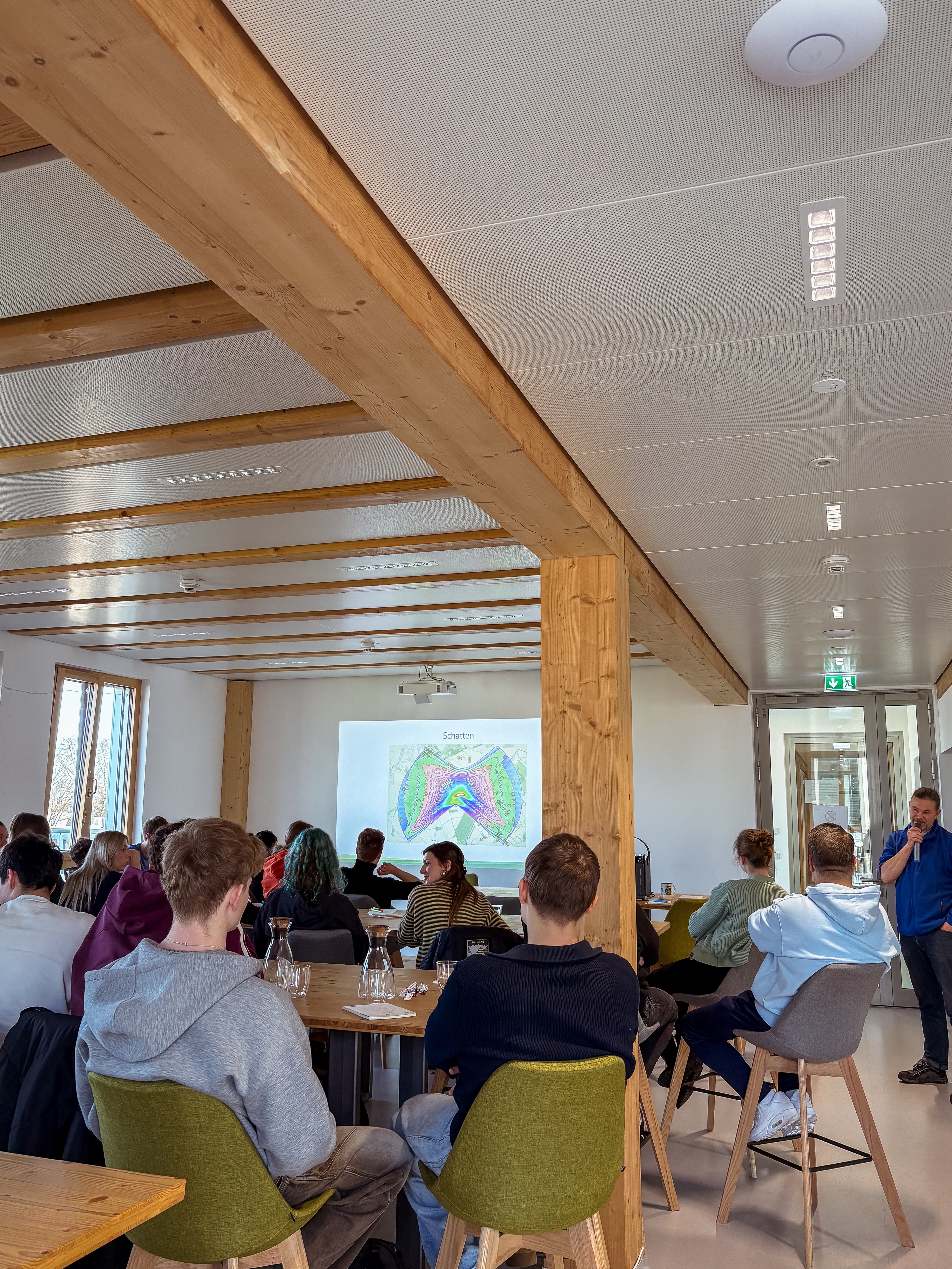
The direct dialogue with our colleagues was particularly valuable for the students. Their many questions showed their great interest in climate protection, energy supply and career prospects in renewable energy. For some, this day may have been a first impulse for an internship or later career orientation.
The visit made it clear how important it is to inspire young people about the energy transition at an early stage and to show them how theory and practice come together. At Prowind, we see this as a central task. Transparency, knowledge transfer and open exchange with schools and educational institutions are an important part of our work for a sustainable and decentralised energy supply.
We would like to thank the students as well as Ms Strating and Mr Lauxtermann for their visit and their great interest in our work. Encounters like this show that the energy transition is not only planned – it can be experienced.


